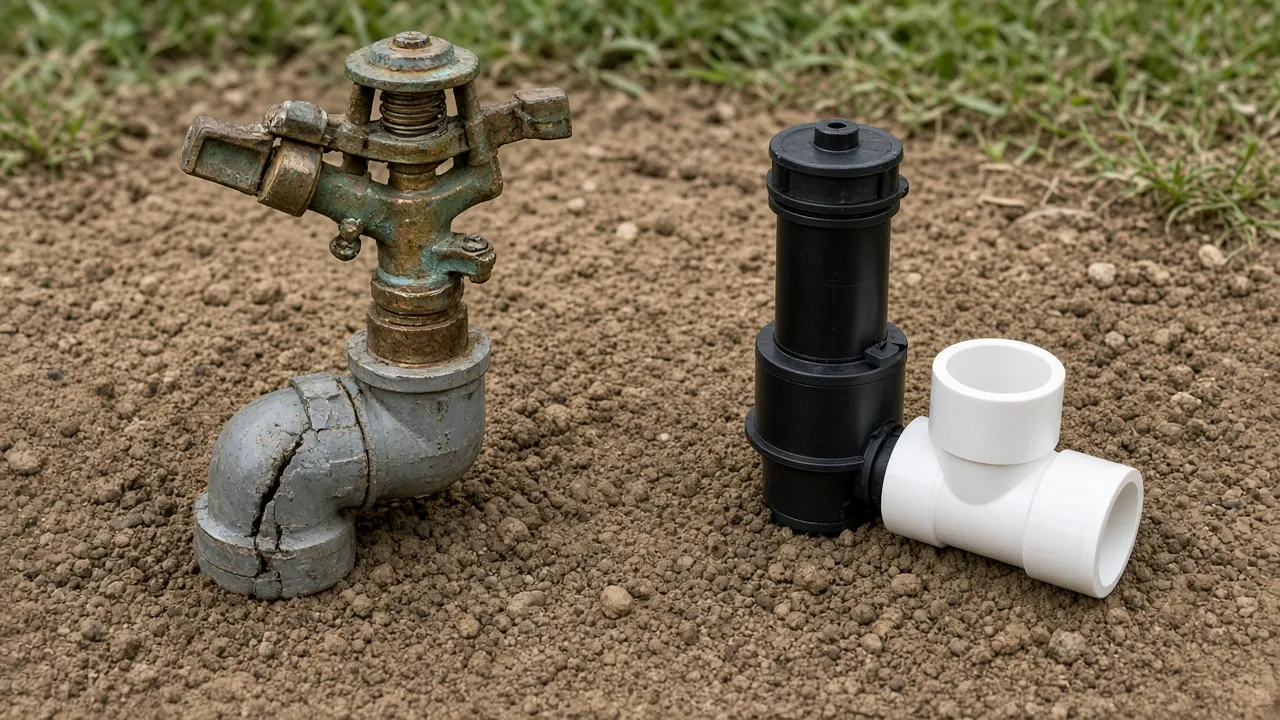
A lot of the systems we see in University Park, Highland Park and the older parts of North Dallas went in decades ago. Owners have changed, the landscaping has changed, and trees that were saplings now shade half the lawn. At some point a homeowner asks the reasonable question: should I keep fixing this, or start over?
There is no single age at which a system has to be replaced. This article walks through how to judge yours, part by part.
Separate what wears out from what lasts
A sprinkler system is a few very different kinds of parts.
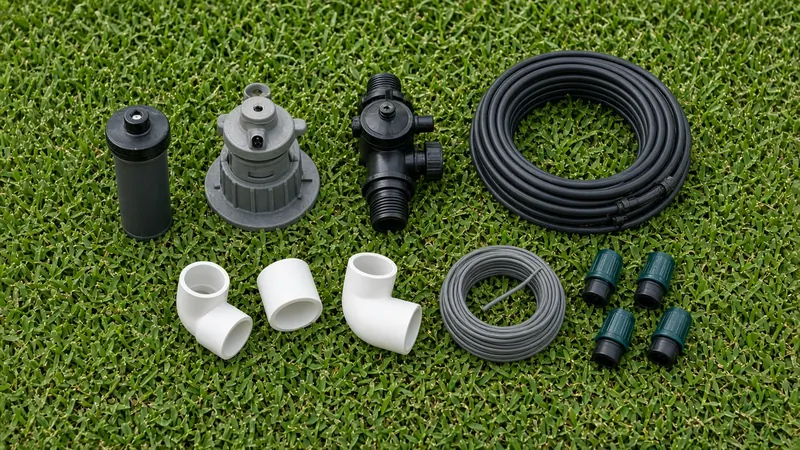
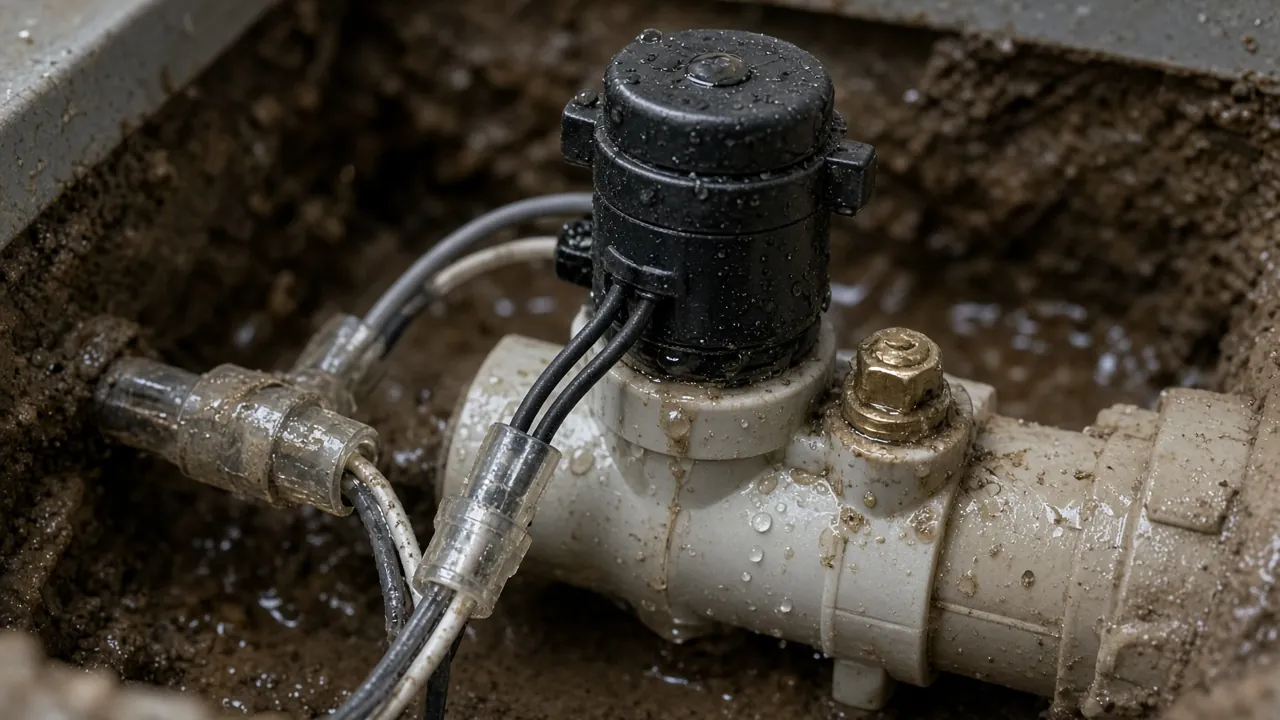
Parts that wear out and are designed to be replaced: heads, nozzles, valve diaphragms and solenoids, controllers, rain and freeze sensors, backflow preventer internals. Replacing these is normal maintenance. A system that needs new heads is not a failing system.
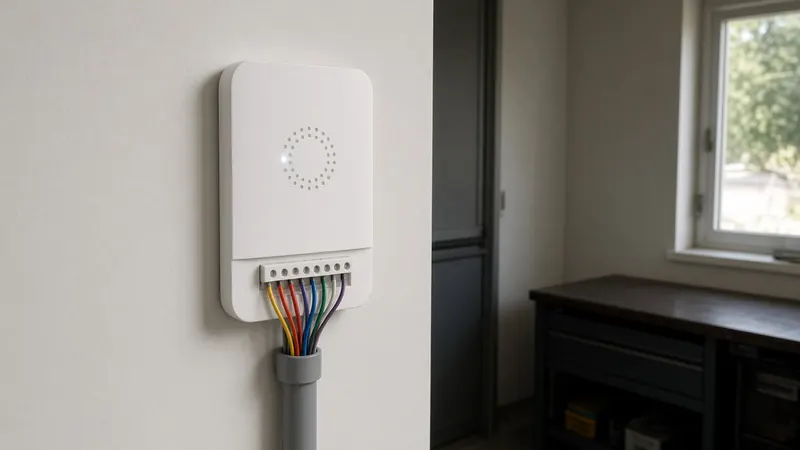
Parts that last a long time if nothing disturbs them: the buried PVC mainline and lateral lines, and the wire runs between the controller and the valves. In clay soil, these can last for many years, but they also take the most abuse from soil movement, roots and digging.
Parts that are about design: where the zones are, how the heads are spaced, whether lawn and beds share a zone. These do not wear out, but they can be wrong from the start, or become wrong as the yard changes.
When people say an old system is “shot,” they usually mean a mix of worn parts, which are fixable, and layout problems, which may or may not be.
Signs repair still makes sense
- Leaks are occasional and in different places, often caused by digging, roots or a mower, not by pipe falling apart.
- The zones still make sense for the yard: lawn zones water lawn, bed zones water beds.
- Coverage is mostly good once heads are raised, cleaned and adjusted.
- Valves can be found and work, even if a few need new diaphragms or solenoids.
- The controller is old but the wiring tests fine.
In this case, a thorough tune-up usually gets you most of the way: raise and straighten heads, match nozzles within each zone, fix leaks, service or replace valves, and replace an old controller. Our spring start-up checklist and sprinkler repair service describe what that involves.
Signs replacement, or at least a partial redo, may make sense
- Repeated leaks along the same runs. If one lateral line has been patched over and over, the pipe itself may be brittle, or the original trench may have been shallow. The state minimum is six inches of cover over pipe, per 30 TAC §344.62, and some older lines have less.
- Zones that no longer fit the yard. A lawn zone that is now half under oak canopy and half in full sun will be wrong no matter how you set it. The state design rule calls for zones separated by plant type and sun or shade.
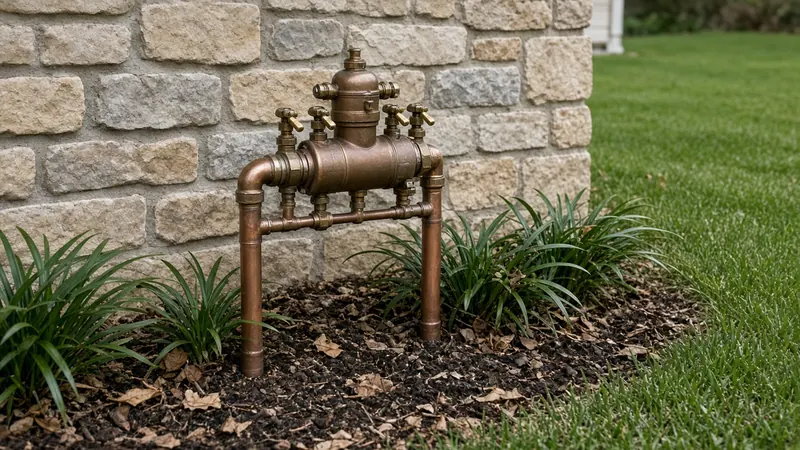
- Missing or failing backflow protection. If an older system has no approved backflow assembly, University Park’s code, Article 3.11, requires one before major work on the mainline or valves. See backflow testing requirements.
- Wire problems everywhere. Many zones failing intermittently, splices that are not waterproof, or wire too shallow to survive edging and planting.
- Heads against hardscape and spray in narrow strips. New systems can’t place heads closer than four inches to hardscape or use above-ground spray in strips under 48 inches wide with pavement on two or more sides. Older systems often do both. They are allowed to stay, but they waste water and break heads.
- A landscape redo. If the beds, the lawn shape or the hardscape are changing anyway, it is usually cheaper to redo the zones affected at the same time.
A zone-by-zone view
Replacement does not have to be all or nothing. We often recommend redoing one or two zones and keeping the rest. Common candidates:
- The parkway. Most broken heads happen here. A rebuilt parkway zone with heads set properly, or with subsurface drip, can end years of repairs. See why heads keep breaking.
- Bed zones on spray. Converting to drip for flower beds fixes overspray and watering problems.
- A lawn zone split by shade. Splitting it so sun and shade are separate fixes brown spots and soggy spots at the same time.
What changes when you replace
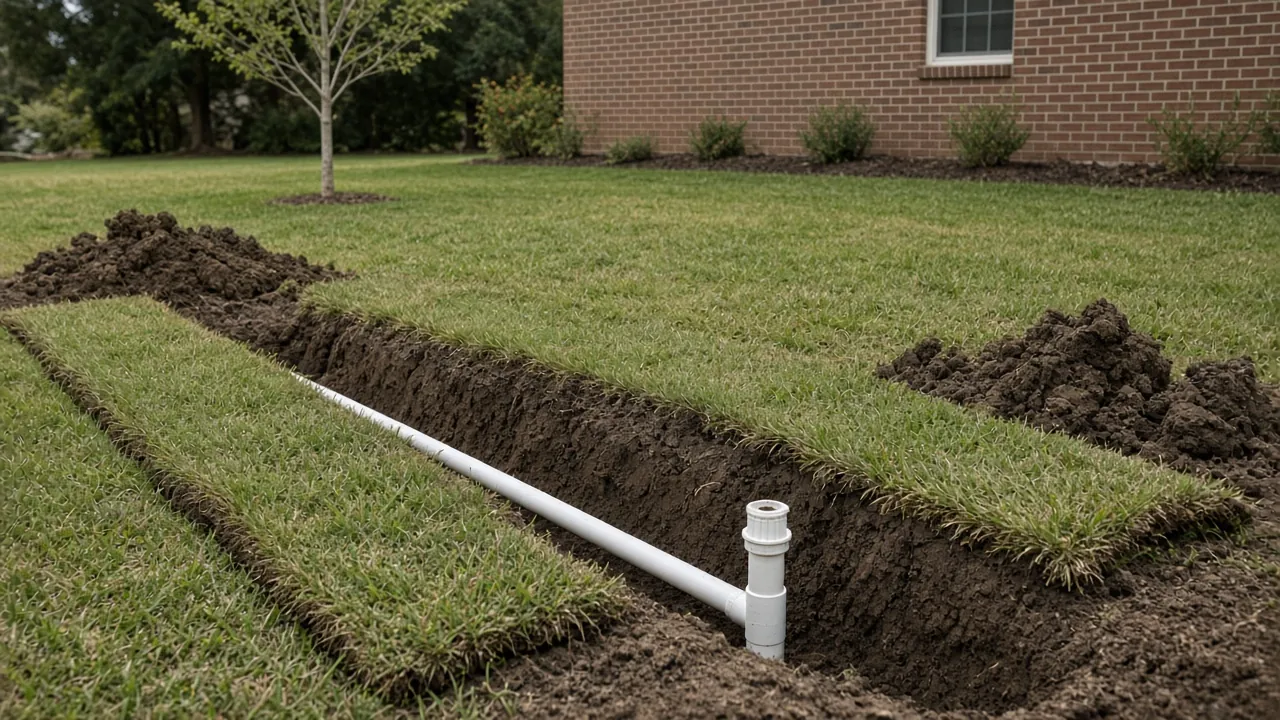
Rebuilding a system, or adding to it, brings it under current rules. That includes:
- Rain or moisture shut-off. Required on new automatic systems, and Texas rules also require one whenever an existing controller is replaced, per 30 TAC §344.62. See rain and freeze sensors.
- An isolation valve between the meter and the backflow assembly.
- A permit. University Park requires a permit for installing, altering or replacing an irrigation system. Dallas has its own irrigation permit requirements.
- A licensed irrigator. Texas requires a TCEQ license for anyone who designs, installs or repairs irrigation systems for others, according to the TCEQ licensing page.
These are good things. A system built to current rules uses less water and breaks less.
The controller is the easiest upgrade
Even on a system you plan to keep for years, replacing an old controller is often the best value. A modern controller with good programming, and a rain sensor, can fix more watering problems than any other single change. A weather-based “smart” controller can do more if it is set up correctly. Dallas Water Utilities offers a rebate toward WaterSense-labeled controllers for qualifying customers. Our smart controller and rebate article covers the details.
Questions to ask before deciding
- How many leaks have there been in the last two years, and where?
- Does each zone water one kind of area?
- Are all valves accessible, and do they all work?
- Is the backflow preventer the right type, at the right height, and has it been tested when required?
- Are there plans to change the landscaping?
- How long do you plan to own the house?
If the answers point to a few worn parts, repair. If they point to the same lines failing and zones that no longer fit the yard, plan a partial or full redo. The City of Dallas free irrigation evaluation is another way to get a second opinion if you are a Dallas water customer.
If you want us to walk your system and give you an honest read, contact us. We look at it zone by zone, and we tell you what we would fix and what we would leave alone. Our irrigation installation page covers what a partial or full redo looks like.
Sources
- 30 Texas Administrative Code §344.62, Minimum Design and Installation Requirements
- City of University Park, Code of Ordinances, Article 3.11, Irrigation Systems
- Texas Commission on Environmental Quality, Landscape Irrigator licensing
- City of Dallas, Free Irrigation System Evaluations
Have a question this did not answer? Call 469-902-9800 and ask. More articles on the blog.