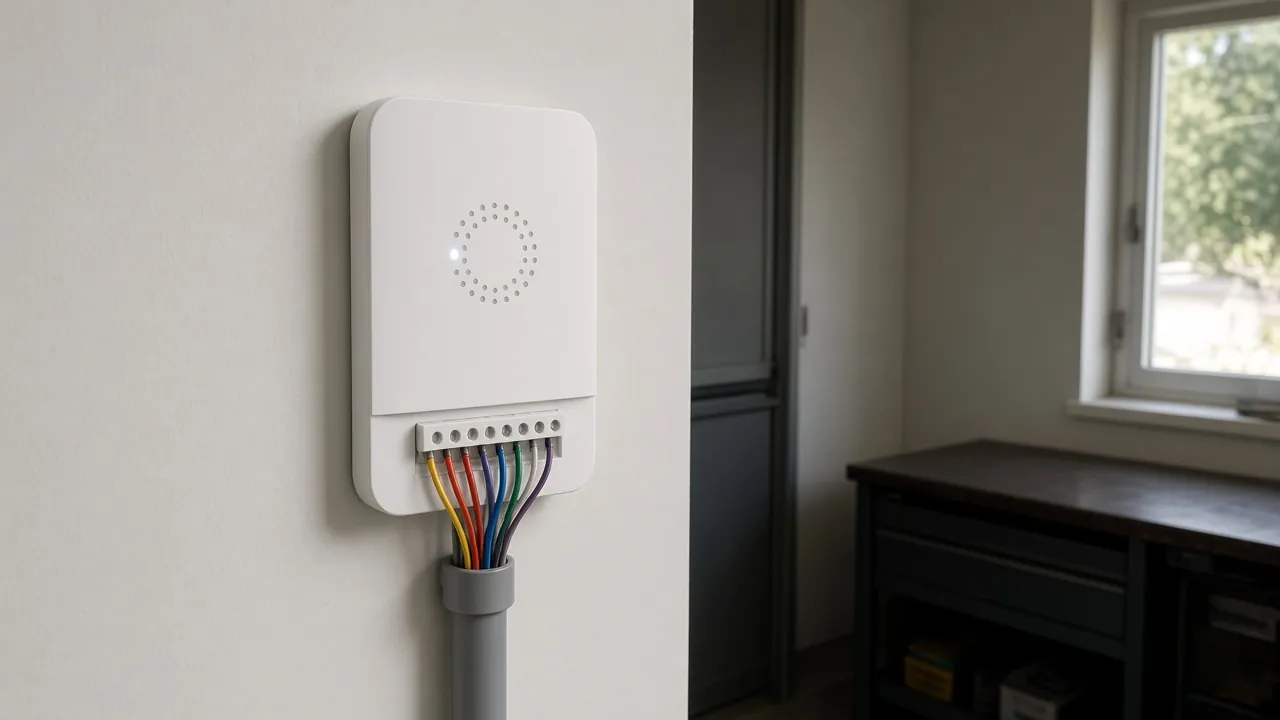
Smart controllers are the most common upgrade people ask us about. They connect to Wi-Fi, pull in local weather, and adjust how much the system waters. Done right, they cut out a lot of wasted watering. Done wrong, they water exactly like the old controller, with an app.
This article covers what a smart controller does, how to set one up properly for our area, and the Dallas Water Utilities rebate, which helps pay for upgrades if you live in the right place.
What “smart” actually means
There are two main approaches:
- Weather-based controllers adjust run times using local weather data: temperature, rainfall, humidity, wind and sunlight. Many skip watering on their own after rain or when rain is in the forecast.
- Soil moisture-based controllers use a sensor in the ground and water only when the soil is dry.
The U.S. Environmental Protection Agency runs a WaterSense program for irrigation controllers that labels weather-based and soil moisture-based controllers meeting its specifications. If you are buying one, the WaterSense label is a good filter, and as you will see below, it matters for the Dallas rebate.
Setup is where the savings are
A smart controller has to know about each zone. That means:
- Plant type. Lawn, shrubs, flower beds, trees.
- Sprinkler type. Spray, rotor or drip. They apply water at very different rates.
- Soil type. Clay for almost everyone in the Park Cities and north Dallas.
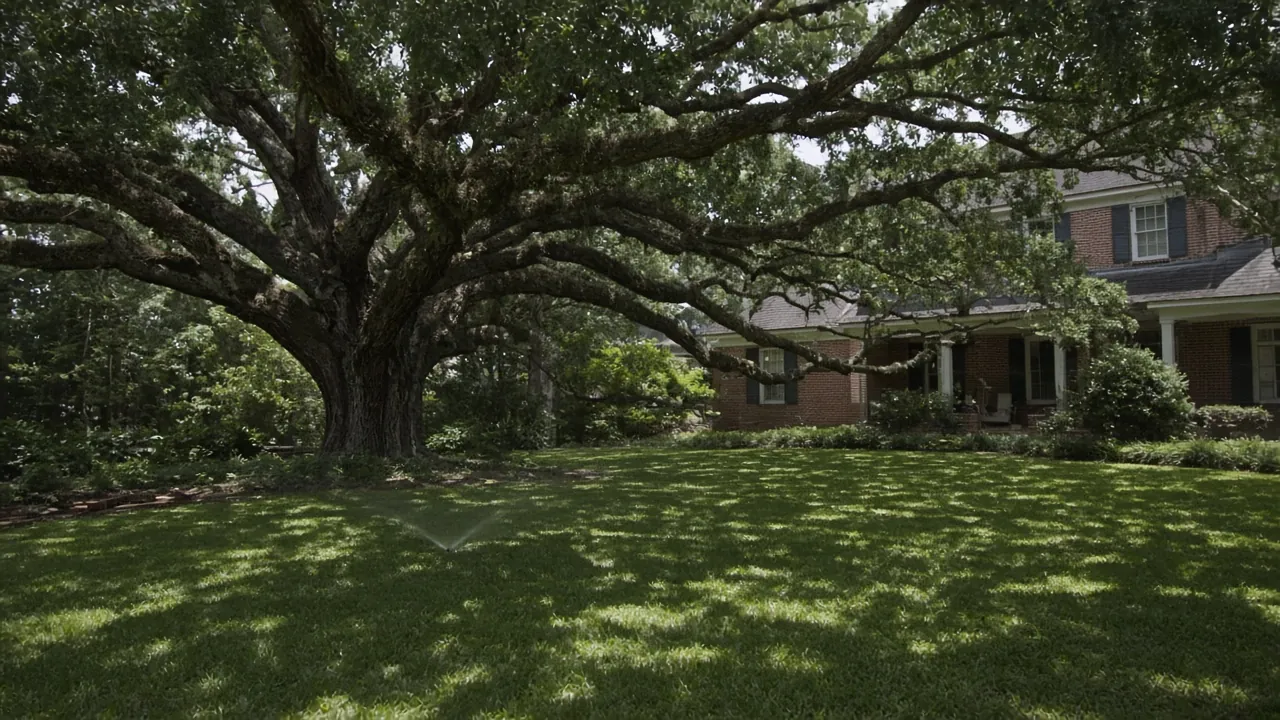
- Sun and shade. A lawn under live oaks needs much less than the same grass in full sun.
- Slope. Sloped zones need shorter cycles to avoid runoff.
Then it needs your watering days and the hours you are allowed to water. Most smart controllers let you block days and times. In Dallas, block Monday, Tuesday and Friday, and block 10 a.m. to 6 p.m. every day of the year. In University Park and Highland Park, the daytime block runs April 1 through October 31. Our watering rules guide lists the days for each city.
If you skip the zone setup, the controller guesses, and it usually guesses high. We see that often: a new smart controller, set up only to the point of connecting to Wi-Fi, running every zone the same as the old timer did.
Cycle and soak, built in
Most smart controllers can split a run into short cycles with soak time between them. On clay soil, turn that on. It is the difference between water soaking in and water running down the curb. See how to water clay soil.
Rain sensors still matter
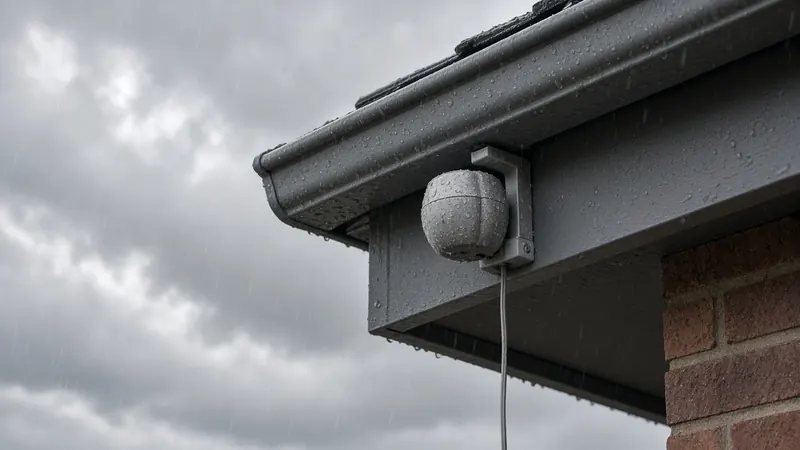
Texas rules require a rain or moisture shut-off device on new automatic irrigation systems, and also when an existing system’s controller is replaced during a repair, according to 30 TAC §344.62. A weather-based controller can count as “other technology” that interrupts watering for rain, but many installers add a physical sensor too. Dallas also requires rain and freeze sensors on automatic systems. More detail in rain and freeze sensors.
The Dallas residential irrigation rebate
Dallas Water Utilities runs a residential irrigation rebate program. According to the city’s rebate program FAQ (PDF), applicants must be existing single-family customers of Dallas Water Utilities who own the property and have a working in-ground system, and the FAQ says applicants must be part of the program’s initial group of candidates. It lists four rebate options for materials:
- An EPA WaterSense labeled controller, up to $150, one time.
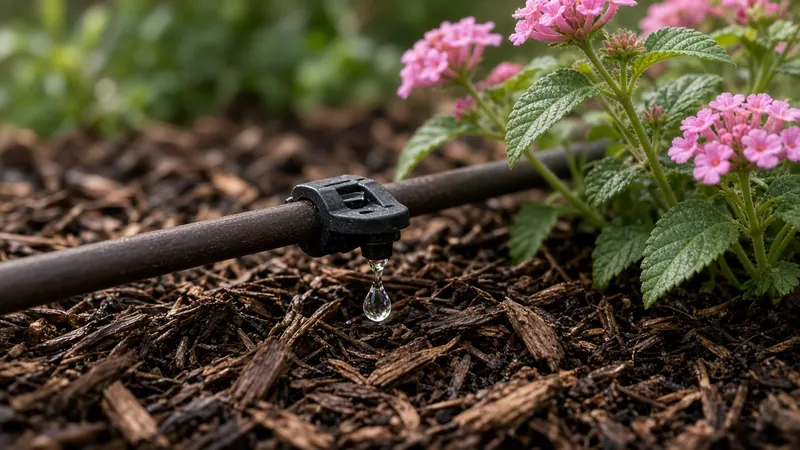
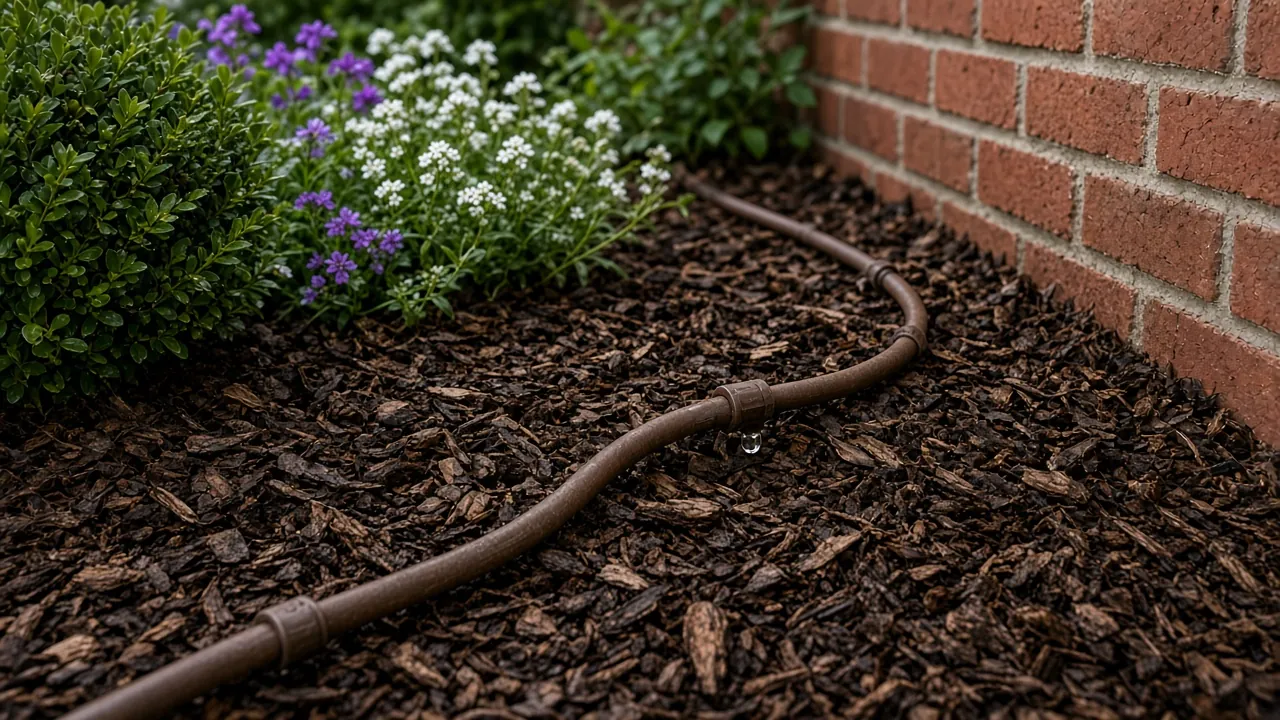
- Converting a pop-up spray zone to drip or bubblers, up to $200 in materials per zone.
- Converting fixed spray nozzles to multi-stream rotary nozzles in turf zones, up to $200 in materials per zone.
- Splitting a mixed zone so beds and turf run on separate valves, up to $600 in materials per area.
On top of materials, the FAQ says the rebate covers up to half of labor when the work is done by a licensed irrigator or licensed plumber. Homeowner labor is not reimbursed. The lifetime maximum is $3,000 per property, credited to the water account. The FAQ also says you must apply within 90 days of your initial irrigation system evaluation, and should wait for approval before starting work. Programs like this change, so confirm current details with Dallas Water Utilities before you count on it.
Who does not qualify
This trips people up. University Park and Highland Park homes are not Dallas Water Utilities customers. Both cities get water through the Dallas County Park Cities Municipal Utility District. The Dallas rebate is for Dallas Water Utilities customers, so a Park Cities address is not eligible, even though it is surrounded by Dallas.
If you live in Preston Hollow, Bluffview, Greenway Parks, Devonshire or the M Streets, you are likely a Dallas customer. Check your water bill to be sure.
For University Park residents, the city points people to the Park Cities Water My Yard program, which sends a free weekly watering recommendation. Highland Park has a water efficiency page with its own resources.
Do you need a new controller at all?
Not always. Some situations where a smart controller is clearly worth it:
- Your current controller is old, has a failing display or lost zone outputs.
- Nobody in the house wants to change run times by season, and the system runs summer times all year.
- You travel and want to see and control the system from your phone.
- The property is large, with many zones, and a schedule is hard to manage by hand.
And some where it is not the first fix:
- The system has broken heads, mismatched nozzles or leaks. A smart controller will schedule a broken system very precisely. Fix the system first.
- A zone waters lawn and beds together. No controller can set one run time that is right for both. Split the zone or convert the beds to drip. See drip irrigation for flower beds.
What we do on a smart controller install
When we install one, we mount and wire it, label every zone, set plant, head, soil, sun and slope for each zone, block the days and hours for your city, turn on cycle and soak, and connect or confirm the rain sensor. Then we show you the app. If you already have one and it seems to water too much or too little, it is almost always a setup issue we can fix in one visit. That work is part of our controller and wiring repair service.
Sources
- City of Dallas, Residential Irrigation Rebate Program FAQs (PDF)
- U.S. EPA, WaterSense irrigation controllers
- 30 Texas Administrative Code §344.62
- City of University Park, Park Cities Water My Yard Program and Water Supply Information
- Town of Highland Park, Water Efficiency
Have a question this did not answer? Call 469-902-9800 and ask. More articles on the blog.