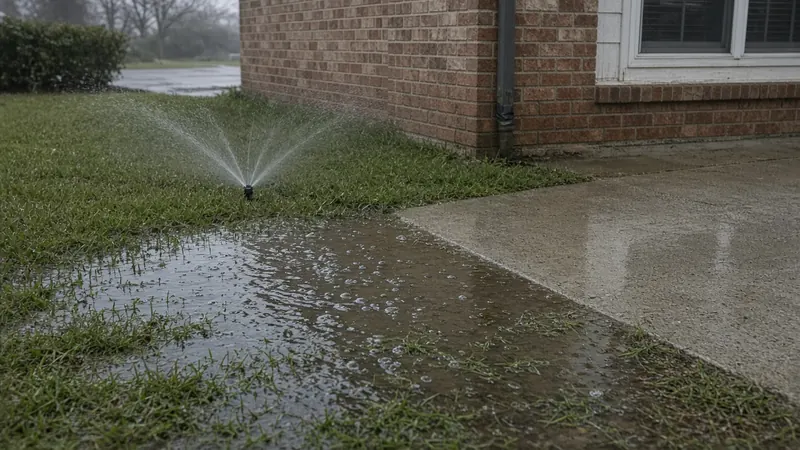
“There is a soft spot by the driveway, but I don’t know if it’s the sprinklers or the house.” We hear some version of that on the phone several times a week. Sometimes it is the sprinkler system. Sometimes it is the water service line, a pool line, or a downspout that drains into that corner. The first job is to figure out which, and you can do most of that before anyone picks up a shovel.
Two kinds of sprinkler leaks
Knowing which kind you have tells you where to look.
Pressurized leaks. These are on the part of the system that has water in it all the time: the line from the shut-off to the backflow device, and from the backflow device out to the zone valves. That pipe is usually called the main line. A crack here leaks around the clock, whether or not any zone is running. A valve that does not close fully acts the same way, because water seeps past it all day.
Zone leaks. These are on the pipe after a zone valve, out to the heads. Water only flows there when that zone runs, so the leak only shows up during or right after that zone’s run. A broken riser under a head, a cracked fitting, or a line cut by a fence post are typical.
Pressurized leaks waste far more water. Zone leaks are easier to find.
Step 1: Read the meter
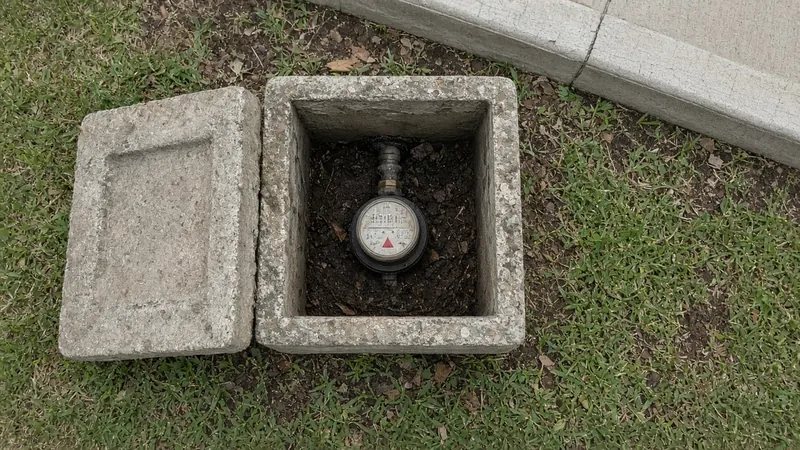
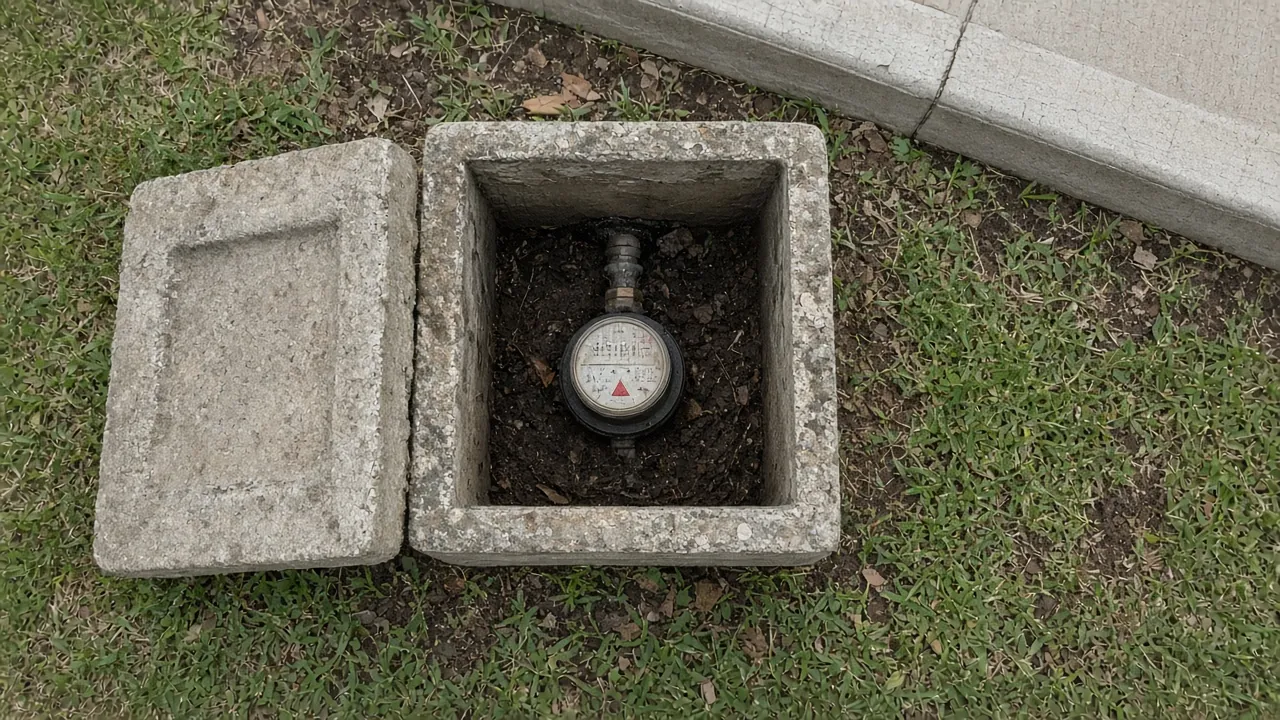
Your water meter is the best leak detector you have. On most Park Cities and Dallas homes, it is in a box near the street or alley.
- Turn off every fixture in the house. No dishwasher, no ice maker filling, no toilet running.
- Make sure no sprinkler zone is running.
- Open the meter box lid and look at the meter face. Most have a small leak indicator, often a triangle or a little star wheel, that turns when any water flows.
- Watch for a full minute.
If the indicator is still, you have no leak at that moment. If it is turning, something is using water.
Now close the irrigation shut-off and look again. If the indicator stops, the leak is on the sprinkler side of that valve. If it keeps turning, the leak is on the house side: the service line, a toilet, the water heater, a pool fill. That is a plumber’s job, not ours.
Step 2: Is it the main line or a valve?
If closing the irrigation shut-off stopped the meter, open it again and walk the yard with no zones running. Look at:
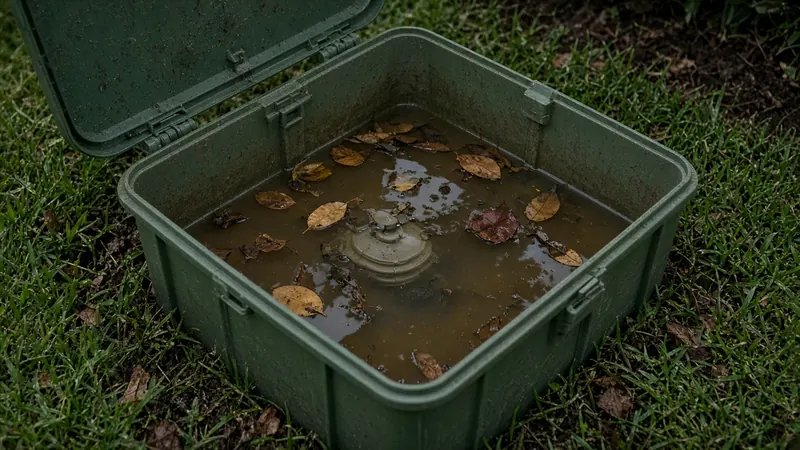
- Each valve box. Pop the lids. A box that is full of clear water when it has not rained, or that refills after you bail it, is a strong clue. A leaking valve or a cracked fitting in the box are both common.
- The lowest head on each zone. If a head at the bottom of a slope is dribbling hours after the zone ran, the valve for that zone may be leaking through. Water slips past the valve and drains out the lowest point.
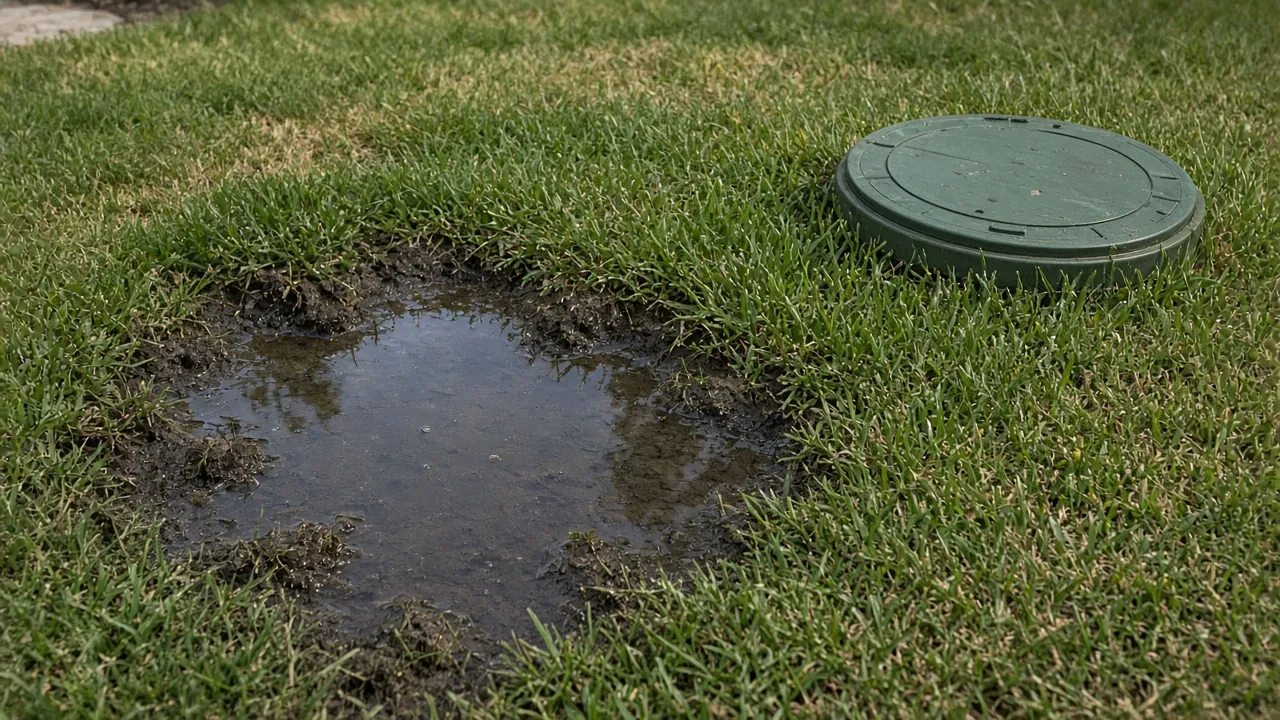
- Along the main line route. The main line usually runs from the backflow device toward the valve boxes. A soft, spongy strip of lawn or a patch that is greener than the rest can mark it.
Step 3: Run the zones one at a time
If the meter is still when no zone runs, the leak is on a zone. Run each zone manually for a few minutes and look for:
- A geyser or bubbling at the base of a head
- Water seeping up between heads
- A zone where heads barely pop up or spray weakly, while other zones are normal
- Water running out of a valve box while that zone runs
A zone with low pressure and no visible water is the tricky one. The break may be under a sidewalk, a driveway or a bed, or the water may be draining away underground. Our article on low pressure on one zone covers that case.
Why clay soil makes this harder
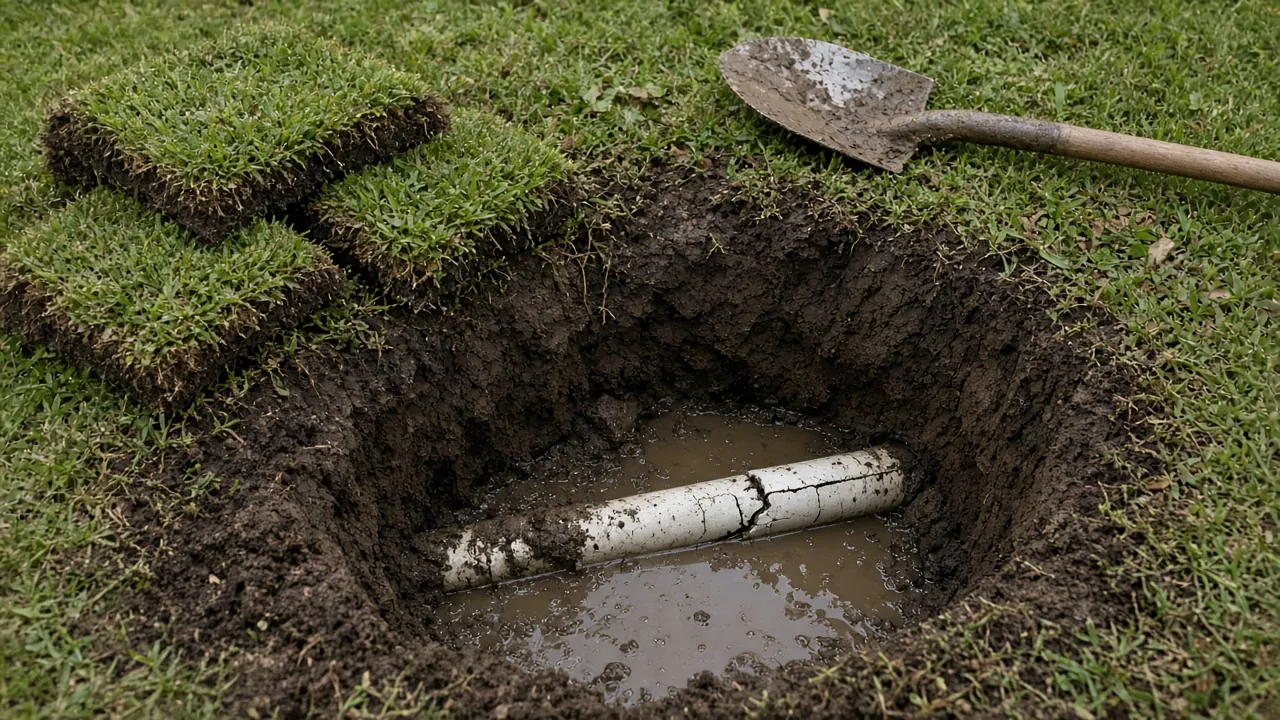
Clay does not drain like sand. When a pipe cracks in clay, water often follows the trench line, where the soil was disturbed when the pipe went in. It surfaces at the lowest point along that trench, which may be several feet from the actual break. Sometimes it does not surface at all and just keeps a patch of ground soft.
That is why “dig where it’s wet” does not always work here. We use the system itself to narrow it down: which zone, which section of pipe, where pressure drops. Then we dig one small hole instead of trenching across the lawn. More on that on our leak repair page.
Clues that it is not the sprinklers
- The meter keeps moving with the irrigation shut-off closed.
- The wet spot is between the meter and the house, near where the service line runs.
- The spot is wet after rain only, and dries in a day or two. That may be drainage or a downspout.
- You have a pool with an auto-fill, and the spot is near the pool equipment.
When to stop and call
Shut the irrigation off and call if you see water running into the street when nothing is supposed to be on, a valve box that keeps overflowing, or a sinkhole forming. A pressurized leak can waste a lot of water quickly, and in Dallas, water running into the street is a violation of the conservation ordinance even if it is an accident.
If water is running and will not stop, see what to do when a zone will not shut off first.
A free option for Dallas customers
If you are a Dallas Water Utilities customer, the city offers a free irrigation system evaluation. The city’s FAQ says licensed irrigators come out to help find leaks and set an efficient schedule. That covers Preston Hollow, Bluffview, Greenway Parks, Devonshire and the M Streets. University Park and Highland Park homes are not Dallas Water Utilities customers, so check with your own city.
The evaluation tells you what is wrong. Someone still has to fix it, and that is where we come in.
Keep the leak from coming back
Some leaks are random. Others repeat for a reason:
- A line that keeps cracking in the same area may be sitting on a root or under a driveway edge that flexes.
- Old fittings on a 30-year-old system can fail one after another. At some point, replacing a section is cheaper than chasing each one. See repair or replace.
- New construction nearby. Trenching for utilities, fences and pools cuts more sprinkler lines than anything else. Our construction damage article covers that.
A leak you can see is annoying. A leak you cannot see is expensive, because it shows up on the water bill for months. If the bill is what tipped you off, read why a high water bill often means the sprinklers.
Sources
- City of Dallas, Free Irrigation System Evaluation and Water Conservation FAQ
- City of Dallas, Water Conservation Ordinance summary
Have a question this did not answer? Call 469-902-9800 and ask. More articles on the blog.